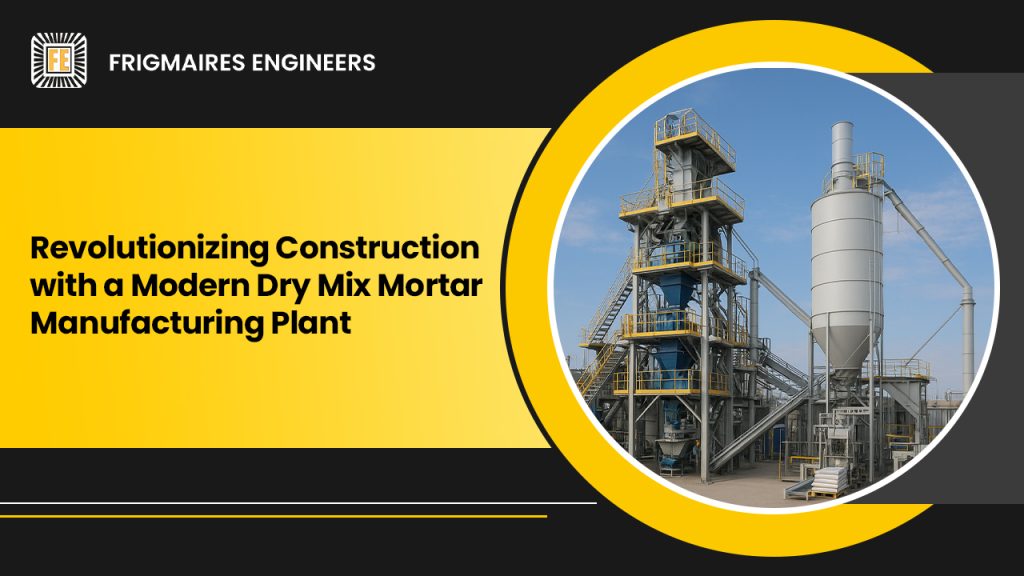
Walk into any modern lube oil blending plant, and you’ll see more than just machines. You’ll see an industry quietly preparing for one of its biggest growth phases in years. Global demand for lubricants is shifting fast, driven by industrial expansion, cleaner technology, and emerging markets.
In this guide, we’ll explore where the demand is headed, why it matters for your business, and how you can stay ahead with the right strategy and machinery.
What Is Driving the Global Demand for Lube Oils?
Demand for lubricants is growing in sectors like automotive, manufacturing, and energy. Electric vehicles still need specialty lubricants for gearboxes and thermal management. Heavy machinery in construction and mining consumes huge volumes. Even wind farms use specialized gear oils.
In countries like the USA, UK, and Germany, stricter environmental norms are pushing innovation in base oils and additives. Meanwhile, Asia and Africa are driving demand through infrastructure growth and industrialisation.
If you run a lubricant oil manufacturing plant, these shifts mean more opportunity, but also more competition.
How Big Will the Lube Oil Market Be by 2030?
Industry analysts forecast steady growth in the lubricant market over the next decade, with Asia-Pacific expected to dominate volumes, and Europe leading in sustainable blends. Specialty segments like synthetic oils and eco-friendly lubricants will see double-digit growth.
For businesses, this isn’t just about market size. It’s about capturing a slice of the demand with faster production, consistent quality, and flexible product lines. A modern lubricant blending plant can make that possible.
Which Lube Oil Segments Are Growing the Fastest?
Not all lubricants grow at the same pace. Right now, these segments are moving fastest:
- Automotive lubricants – Driven by passenger and commercial vehicle fleets.
- Industrial lubricants – For machinery in manufacturing, mining, and construction.
- Marine and aviation lubricants – Niche but high-value markets.
- Synthetic and bio-based oils – Popular for their performance and eco credentials.
By aligning your production capabilities with high-growth niches, you can build a competitive edge. The right lube oil blending plant layout allows easy product diversification without disrupting output.
How Can Lube Oil Manufacturers Prepare for Changing Demand?
The answer lies in scalability and flexibility. Demand doesn’t rise evenly; some months, orders spike, others slow. That’s why plants with modular equipment and automated controls adapt faster.
At Frigmaires Engineers, we design systems that let you switch between formulations quickly, run multiple SKUs, and scale up without a full plant overhaul. Whether you run a compact facility or a high-capacity lubricant oil manufacturing plant, that flexibility is your shield against market volatility.
What Machinery Is Essential to Meet Future Lube Oil Demand?
Meeting demand isn’t just about capacity, it’s about efficiency. The core equipment in a high-performing lubricant blending plant includes:
- Blending vessels – For homogeneous mixing of base oils and additives.
- Automated dosing systems – For accurate, repeatable formulations.
- Heating and cooling systems – To maintain blend quality.
- Filtration units – To ensure purity and consistency.
- Filling and packaging lines – For quick turnaround and market readiness.
Frigmaires’ turnkey solutions integrate these seamlessly, cutting downtime and boosting throughput.
How Does Automation Improve Lube Oil Production?
Automation is no longer a luxury; it’s a necessity. Plants with automated blending, dosing, and filling reduce human error, cut production time, and improve consistency.
In regions like the USA and Germany, where labour costs are high, automation can be the difference between profit and loss. Frigmaires’ control systems give operators real-time data to monitor efficiency, detect issues early, and optimise processes.
Why Sustainability Will Define the Future of Lube Oils
Sustainability is moving from trend to requirement. From base oil sourcing to packaging, every stage of the process is under scrutiny.
Frigmaires helps lube oil blending plant operators adapt by offering systems designed for lower energy consumption, minimal waste, and compatibility with bio-based oils. This isn’t just compliance, it’s a selling point for B2B buyers worldwide.
How Can Frigmaires Engineers Help You Stay Ahead?
With over six decades in the industry, Frigmaires has supplied plants across 40+ countries, including the USA, UK, and Germany. We don’t just sell equipment; we build solutions tailored to your market, product range, and growth goals.
Whether you’re launching your first lubricant oil manufacturing plant or upgrading an existing facility, our expertise ensures you’re ready for both current demand and the next wave of growth.
Final Word: Act Before the Market Moves On Without You
Global demand for lubricants is rising, but so is the competition. The companies that win will be those that invest early in the right equipment, processes, and partnerships.
Frigmaires Engineers can help you design and deliver a lubricant blending plant that’s fast, flexible, and future-ready. Visit Frigmaires.com to explore our solutions, or reach out today to discuss your project.
Because in this market, being prepared isn’t an option, it’s the only way forward.